
Winter Air Brake Maintenance: Why Heavy-Duty Trucks Need a Fresh Air Dryer Filter Before Freeze-Up
Saskatchewan winters put heavy-duty air brake systems to the test. Learn how moisture causes frozen air lines, why air dryer filter replacement matters, and which maintenance checks help prevent brake problems and unexpected downtime.
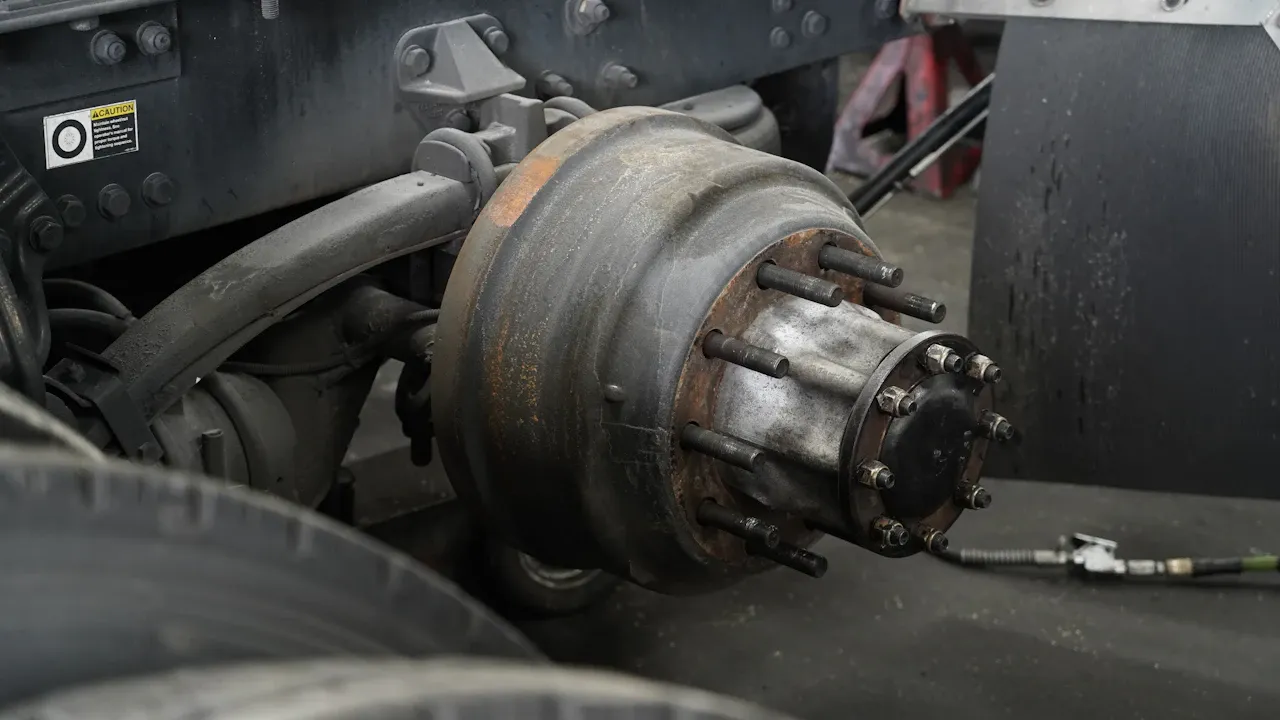
A heavy-duty truck can start perfectly on a freezing Saskatchewan morning and still have trouble building air pressure. Moisture trapped inside the compressed air system may freeze, restrict airflow, and interfere with normal brake operation.
Replacing a worn air dryer filter before winter is one important step in reducing this risk. Scheduling heavy-duty truck brake repair in Weyburn, SK also gives technicians an opportunity to identify air leaks, damaged components, and other problems before temperatures drop further.
Why Do Air Brake Systems Freeze in Cold Weather?
Heavy-duty trucks use compressed air to operate their service brakes. The air compressor supplies pressurized air, which passes through the air treatment system before entering storage reservoirs and supplying the braking system.
Understanding air brake system operation helps explain why controlling moisture is essential.
Air naturally contains water vapour. When the compressor draws in outside air and compresses it, moisture can condense as the air cools.
Without effective moisture removal, water may accumulate in reservoirs, lines, and valves. During a Saskatchewan winter, this moisture can freeze and interfere with normal air movement.
Potential problems include:
- Frozen air lines: Ice restricts compressed air movement through the braking system.
- Sticking brake valves: Moisture can freeze around internal valve components and affect their operation.
- Slow air pressure buildup: Restrictions or other system faults may prevent reservoirs from reaching operating pressure normally.
- Air system corrosion: Repeated moisture exposure can damage internal components over time.
- Brake release problems: Frozen components can interfere with normal brake application or release.
These conditions are particularly concerning for commercial trucks operating along Highway 39, Highway 13, and other routes around Weyburn, where extended cold periods can expose unresolved moisture problems.
What Does an Air Dryer Filter Do on a Heavy-Duty Truck?
An air dryer filter, commonly called an air dryer cartridge, helps remove moisture and certain contaminants from compressed air before it reaches the truck's storage reservoirs.
Many heavy-duty air dryers use a desiccant material that absorbs water vapour as compressed air passes through the cartridge. During the purge cycle, the system uses dry air to help remove accumulated moisture from the desiccant.
Depending on the design, an air dryer may also incorporate oil-separation features to help protect downstream components.
The air dryer performs several important functions:
- Reduces moisture entering the compressed air reservoirs
- Helps prevent ice formation in air lines and valves
- Limits moisture-related corrosion inside the air system
- Supports consistent compressed air delivery
- Reduces contamination reaching downstream brake components
However, the cartridge does not last indefinitely. Desiccant performance can decline over time, and contamination or other air dryer problems may reduce the system's ability to remove moisture.
A fresh cartridge helps restore the air dryer's moisture-removal capability when the existing cartridge is due for replacement, provided the rest of the system operates correctly.
What Happens When an Air Dryer Filter Becomes Worn or Saturated?
A deteriorating air dryer cartridge may allow excessive moisture to pass into the air system. The problem can remain relatively unnoticed during warmer weather, only becoming obvious when freezing temperatures arrive.
For example, a truck may build air pressure normally in autumn while accumulating moisture inside its reservoirs. Once winter temperatures fall below freezing, that same moisture can form ice and create operating problems.
Common air dryer failure symptoms include:
- Excessive water discharged when draining air tanks
- Repeated moisture accumulation in compressed air reservoirs
- Air pressure problems that worsen in freezing weather
- Frozen or sticking pneumatic components
- Unusual air dryer purge behaviour
- Oil contamination in the compressed air system
- Recurring air system problems despite previous repairs
These symptoms do not automatically confirm that the cartridge has failed. Air compressor problems, purge valve faults, air leaks, and other components can produce similar issues.
A technician should evaluate the complete system before recommending air dryer cartridge replacement.
How Often Should a Heavy-Duty Truck Air Dryer Filter Be Replaced?
The correct replacement interval depends on the air dryer manufacturer, vehicle application, operating conditions, and maintenance history. Some systems have different requirements for highway trucks, vocational equipment, and vehicles with demanding air usage.
Rather than relying on one universal replacement schedule, follow the applicable manufacturer recommendations.
Factors that may justify closer inspection include:
- Frequent stop-and-go driving that increases brake system air demand
- Extended operation in cold or humid conditions
- High compressor duty cycles
- Repeated moisture accumulation in reservoirs
- Oil contamination from the air compressor
- Missing or incomplete cartridge replacement records
Pre-winter air dryer maintenance is especially valuable because it gives technicians an opportunity to replace a cartridge that is already due for service before freezing weather exposes the problem.
If the air tanks contain excessive moisture shortly after cartridge replacement, further troubleshooting is necessary. Installing another cartridge without identifying the cause may not resolve the issue.
Can a Bad Air Dryer Cause a Truck's Brakes to Freeze?
Yes. A malfunctioning air dryer can allow moisture to reach parts of the compressed air system, where freezing temperatures may turn accumulated water into ice.
However, frozen brake problems can have several causes, and not every winter brake malfunction originates in the air dryer.
For example, brake components can also freeze because of external moisture, ice buildup around mechanical parts, or water entering areas unrelated to the compressed air supply.
The type of failure matters:
- Frozen air line: May restrict air delivery to an affected component.
- Frozen control valve: Can interfere with normal pressure regulation or brake operation.
- Frozen mechanical brake components: May prevent brake hardware from moving or releasing correctly.
- Low system pressure: Can trigger warning indicators and, depending on the system condition, affect spring brake operation.
If air pressure remains below the manufacturer's required operating range, the truck should not be driven.
Never attempt to free a frozen brake component by repeatedly forcing the vehicle to move. A qualified technician should identify the restriction or mechanical problem and confirm proper operation before the truck returns to service.
What Should Be Included in a Winter Air Brake Inspection?
Replacing the air dryer cartridge is only one part of maintaining a reliable air brake system. A complete winter air brake inspection should also consider the compressor, reservoirs, valves, air lines, and wheel-end braking components.
Important inspection points include:
1. Air Dryer and Purge Valve: Inspect the air dryer for moisture-control problems, contamination, damaged connections, and abnormal purge operation. A worn cartridge may need replacement, while a faulty purge valve, heater, or control component can require separate repairs.
2. Air Compressor and Pressure Buildup: The compressor must build sufficient pressure within the applicable manufacturer's specifications. Slow pressure recovery can indicate leaks, compressor problems, restrictions, or control system faults. Technicians should investigate abnormal pressure buildup rather than assuming the air dryer is responsible.
3. Air Reservoirs and Moisture: Drain applicable air reservoirs according to manufacturer instructions and inspect for unusual moisture or oil accumulation. Excessive water can indicate an air treatment problem that needs attention before freezing conditions become more severe.
4. Air Lines and Connections: Inspect exposed lines, fittings, and connections for physical damage, corrosion, and leaks. Air leaks increase compressor workload and may contribute to pressure recovery problems, particularly when the truck requires frequent braking.
5. Brake Chambers, Adjusters, and Wheel-End Components: The foundation brakes also require attention. Technicians should inspect applicable brake chambers, slack adjusters, brake shoes, drums, and related hardware for wear or damage.
Proper commercial truck brake maintenance involves evaluating component condition and operation rather than focusing on lining thickness alone. Completing these checks together helps identify problems that an air dryer cartridge replacement would not address.
Why Is Winter Air Brake Maintenance Important for Saskatchewan Fleets?
Winter breakdowns can be particularly disruptive for fleets operating around Weyburn, Estevan, Carlyle, and southeastern Saskatchewan.
Freezing temperatures, highway travel, and demanding commercial workloads can expose weaknesses in systems that appeared to function normally during warmer months.
An air brake malfunction may result in:
- Delayed freight deliveries and missed appointments
- Unexpected roadside repair expenses
- Towing costs when a vehicle cannot operate safely
- Additional diagnostic and component replacement work
- Reduced fleet availability during busy operating periods
Addressing moisture-control problems before winter helps reduce the likelihood of these interruptions, although no maintenance procedure can eliminate every breakdown risk.
A broader maintenance program should also protect the engine, cooling system, electrical components, and other systems exposed to cold weather.
For fleets operating Detroit Diesel-powered trucks, our guide to extending DD15 engine life covers additional maintenance practices involving lubrication, cooling, filtration, and engine performance. Combining engine maintenance with seasonal air brake inspections helps fleet managers prepare their vehicles for demanding winter conditions.
How Can Drivers Reduce the Risk of Frozen Air Brakes?
Drivers play an important role in recognizing developing air system problems. Daily inspections and clear communication with maintenance personnel can help identify moisture or pressure concerns before the truck becomes difficult to operate.
Useful winter practices include:
- Monitor air pressure gauges: Watch for abnormal pressure buildup or unexpected pressure loss.
- Check warning indicators: Investigate low-air-pressure warnings before operating the vehicle.
- Follow reservoir draining procedures: Drain applicable tanks according to manufacturer instructions and report excessive moisture.
- Listen for unusual air leaks: Report persistent hissing, unexpected compressor cycling, or abnormal purge sounds.
- Watch for brake release problems: Stop operation if the brakes fail to apply or release normally.
- Document recurring symptoms: Record when pressure problems appear and whether they worsen during cold weather.
Avoid adding alcohol, antifreeze, or other substances to the compressed air system unless the vehicle manufacturer specifically approves the product and procedure.
Improper additives can damage seals, valves, and other components. Frozen air brake systems require appropriate troubleshooting and repair rather than improvised treatments.
Prepare Your Air Brakes for Winter
A properly functioning air dryer helps protect heavy-duty brake systems against moisture-related freezing, but a worn cartridge, damaged valve, or air system leak can reduce that protection.
Replacing an air dryer filter when required, inspecting the compressed air system, and addressing developing faults before winter can help prevent unexpected brake problems and downtime.
King's Mechanical provides heavy-duty truck brake inspections, air system diagnostics, and repairs in Weyburn, Saskatchewan. Our team services commercial trucks, trailers, buses, and fleets, with weekday mobile assistance available throughout the surrounding service area.
News & Articles
Here, you'll find regular articles covering a wide range of topics related to diesel repair, maintenance, and troubleshooting.

Contact King's Mechanical
Kings's Mechanical provides professional heavy-duty truck repair services from our shop in Weyburn, SK & via mobile service. Contact our team today with any questions, to request a quote, and to schedule service.