.avif)
Why Is Preventive Maintenance Essential for Fleet Success?
Reliability doesn't happen by accident. Fleets that stay ahead of maintenance stay ahead of downtime, costs, and the competition. Here's why it starts before anything breaks.
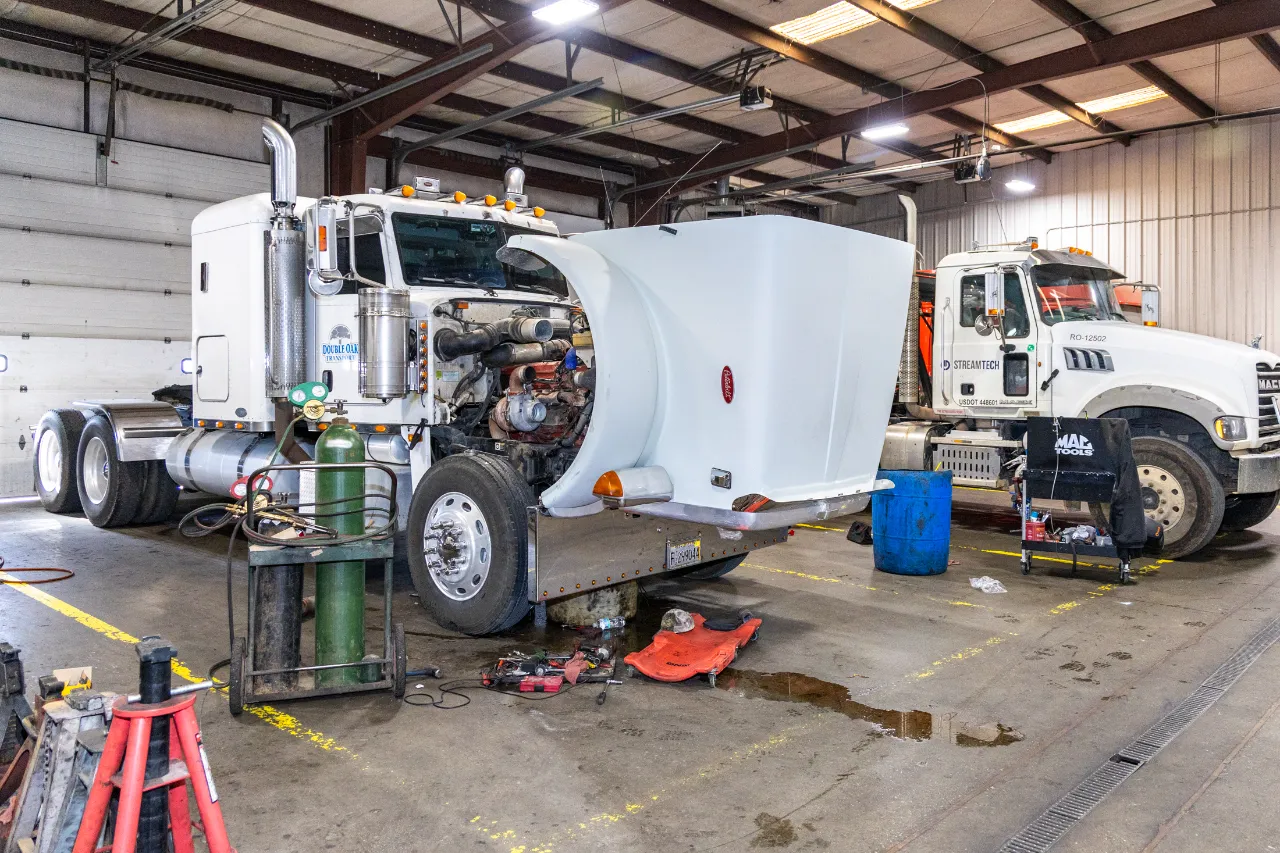
Fleet success is not complicated to define. Trucks go out, trucks come back, deliveries happen on time, and nothing breaks down in a way that nobody saw coming. Simple in theory. Harder to sustain when you are managing multiple vehicles across long routes in conditions that change with every season.
Heavy-duty trucks running highway routes out here do not get easy days. The workload is real, and the distance from help when something goes wrong makes reliability more than a preference.
That is where preventive maintenance earns its place. It’s a service that keeps a breakdown from becoming a missed delivery, a frustrated customer, or a repair bill that could have been a fraction of the cost three months earlier.
Preventive maintenance is how fleets stay ahead of that pattern instead of reacting to it.
What Is Preventive Maintenance?
Preventive maintenance is a planned approach to inspecting, servicing, and maintaining trucks before problems occur. Rather than waiting for a component to fail, technicians routinely evaluate critical systems and address wear-related issues early.
Preventive maintenance involves systematically inspecting and servicing heavy-duty trucks to prevent breakdowns and extend vehicle life. This approach reduces the likelihood of unexpected repairs while improving overall fleet reliability.
Reducing Unplanned Downtime
Every hour a truck spends in the shop unexpectedly is an hour it isn't generating revenue. Breakdowns can create a ripple effect throughout your operation, impacting dispatch schedules, delivery commitments, and customer relationships.
Routine fleet maintenance helps identify concerns before they become major failures. During inspections, technicians can spot worn belts, fluid leaks, failing bearings, damaged hoses, and other developing issues.
By addressing these problems early, fleet managers can schedule repairs during planned service intervals rather than dealing with costly roadside breakdowns.
Extending Equipment Lifespan
Heavy-duty trucks represent a significant investment. Protecting that investment requires consistent care.
Regular maintenance helps preserve critical components such as:
- Diesel engines
- Transmissions
- Brake systems
- Cooling systems
- Suspension systems
- Driveline components
Engine oil, coolant, transmission fluid, and gear oil all play essential roles in lubrication, cooling, and component protection. When these fluids are neglected, excessive wear can occur, shortening the lifespan of expensive equipment.
A well-maintained truck often remains productive longer, reducing replacement costs and improving return on investment.
Improving Fuel Efficiency
Fuel is one of the largest operating expenses for most fleets. Even small improvements in fuel economy can lead to significant savings over time.
Several maintenance items directly affect fuel efficiency:
Clean Air Filters: Restricted airflow forces engines to work harder, increasing fuel consumption.
Proper Tire Inflation: Underinflated tires create additional rolling resistance, causing trucks to burn more fuel.
Engine Performance Inspections: Faulty sensors, fuel system issues, and neglected maintenance can reduce engine efficiency.
Lubrication Services: Fresh fluids help reduce internal friction and allow components to operate more efficiently.
Enhancing Driver Safety
Safety should always be a top priority for fleet operators. Preventive maintenance plays a major role in reducing safety risks.
Routine inspections help ensure:
- Brakes function properly
- Tires remain in good condition
- Steering components operate correctly
- Suspension systems maintain stability
- Lights and electrical systems remain operational
Heavy-duty trucks rely on compressed-air brake systems that include components such as brake chambers, slack adjusters, and S-cams. Regular inspections help ensure these systems continue functioning safely and effectively.
Safer vehicles help protect drivers, cargo, and everyone sharing the road.
Supporting Regulatory Compliance
Commercial fleets must comply with numerous safety and inspection regulations. Poor maintenance practices can lead to failed inspections, fines, and out-of-service orders.
A documented preventive maintenance program helps demonstrate compliance by showing that vehicles receive regular inspections and service.
Maintenance records can also simplify audits and provide valuable documentation if issues arise during roadside inspections.
Lowering Repair Costs
Major repairs are often far more expensive than routine maintenance.
For example:
- Replacing a worn belt is less expensive than repairing an overheated engine.
- Addressing a coolant leak early can prevent severe engine damage.
- Servicing brakes regularly helps avoid more extensive brake system repairs.
Heavy-duty cooling systems rely on components such as radiators, water pumps, coolant, and fan clutches to manage engine temperatures. Identifying problems with these components early can help prevent costly overheating failures.
Preventive maintenance helps fleet operators avoid many of the high-cost repairs associated with neglected equipment.
Increasing Fleet Reliability
Reliability builds customer confidence. Customers expect deliveries to arrive on schedule, and equipment failures can quickly damage a company's reputation.
A preventive maintenance strategy improves consistency by reducing unexpected mechanical failures. Reliable trucks allow dispatchers to plan with confidence while minimizing service interruptions.
This reliability often becomes a competitive advantage in industries where timing and dependability are critical.
Building Long-Term Savings
Some fleet operators view preventive maintenance as an expense. In reality, it is often one of the most effective ways to control operating costs.
Long-term benefits include:
- Reduced downtime
- Lower repair expenses
- Improved fuel economy
- Extended vehicle lifespan
- Better safety performance
- Increased resale value
Over time, these savings can significantly outweigh the cost of routine maintenance services.
Creating an Effective Maintenance Schedule
Every fleet has unique operating demands, but most maintenance programs should include:
Regular Fluid Services: Monitor and replace engine oil, coolant, transmission fluid, and gear oil according to manufacturer recommendations.
Brake Inspections: Inspect brake chambers, slack adjusters, S-cams, and related air brake components regularly.
Cooling System Checks: Evaluate radiators, water pumps, coolant levels, and fan clutches to prevent overheating.
Tire Maintenance: Check tread wear, tire pressure, and alignment.
Suspension Inspections: Inspect leaf springs, air suspension components, shocks, and mounting hardware.
Electrical System Testing: Verify battery condition, charging system performance, and lighting operation.
A structured maintenance schedule helps ensure no critical systems are overlooked.
Drive Fleet Success Through Maintenance
Preventive maintenance is essential for fleet success because it reduces downtime, lowers operating costs, improves safety, extends equipment lifespan, and increases reliability. By addressing small issues before they become major repairs, fleet operators can keep trucks on the road and maintain consistent performance throughout the year.
For businesses that depend on their vehicles every day, preventive maintenance isn't simply a recommended practice. It's a critical part of building a successful and profitable fleet operation.
Contact King's Mechanical
If you're looking to improve fleet reliability and reduce costly downtime, King's Mechanical provides professional maintenance and repair services for heavy-duty trucks and fleets. Their experienced team can help develop a maintenance strategy that keeps your vehicles operating safely and efficiently year-round.
For more information, read our article on why hydraulic fluid is crucial for heavy equipment.
News & Articles
Here, you'll find regular articles covering a wide range of topics related to diesel repair, maintenance, and troubleshooting.

Contact King's Mechanical
Kings's Mechanical provides professional heavy-duty truck repair services from our shop in Weyburn, SK & via mobile service. Contact our team today with any questions, to request a quote, and to schedule service.